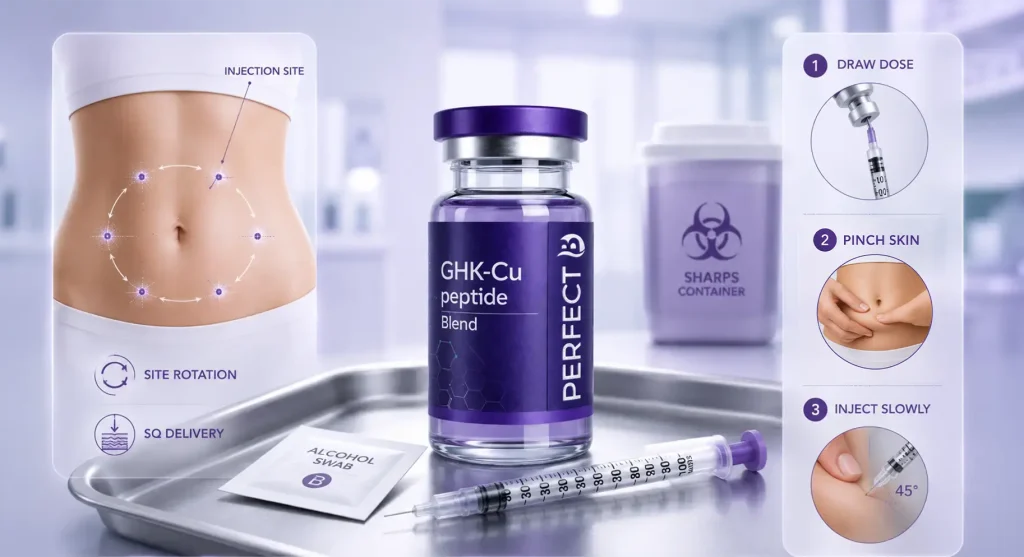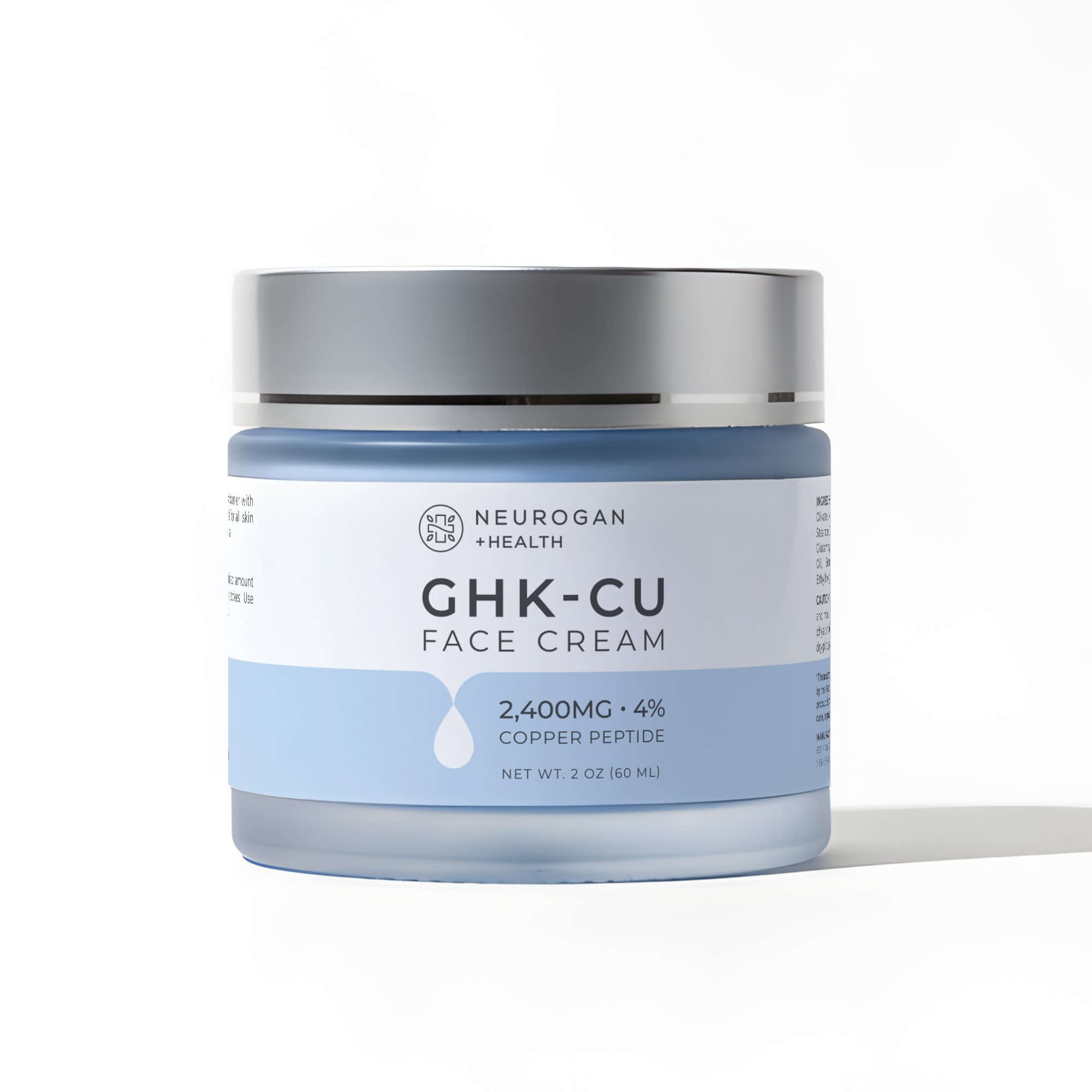
Injectable healing protocol: 23 mg daily (upper end of range), systemic injection - not into the wound itself - daily until the wound resolves, plus 12 weeks maintenance Topical healing protocol: 2 %4 % in a wound-appropriate vehicle applied 23 times daily to wound margins (never into an open, actively bleeding wound) under clinician supervision Stacking: GHK-Cu pairs exceptionally well with BPC-157 and TB-500 - the so-called GLOW stack - for complex healing cases
You can switch up your treatments or even mix the two serums together
Injectable BPC-157 enters the bloodstream, providing systemic delivery and often faster tissue repair, though it may not be as localized to the gut unless carefully targeted
Better formulations & clinical access : safer compounding, smarter dosing protocols, and oversight from clinics like ours mean peptides are more practical and safer for patients than they were a decade ago
Researchers characterized the low binding affinity of G subunit to GIRK channels as well as a much higher binding affinity of G to the G subunit, which leads to a possibility that G is tethered to G when interacting with the GPCR-GIRK channel macromolecular complex (Wang, Whorton and MacKinnon, 2014)
For instance, the reciprocity between regulators of ferroptosis and cuproptosis defined the tumor microenvironment in hepatocellular carcinoma and lung adenocarcinoma, determining prognosis and sensitivity for chemotherapeutics [129, 130]