Published research has explored its role in promoting angiogenesis (new blood vessel formation), upregulating VEGF (vascular endothelial growth factor), stimulating fibroblast migration and collagen deposition, modulating nitric oxide pathways, and protecting the gastrointestinal lining
DYPER is certified OK Biobased by TUV Austria, a designation that indicates our commitment to using renewable resources
Harvey, M
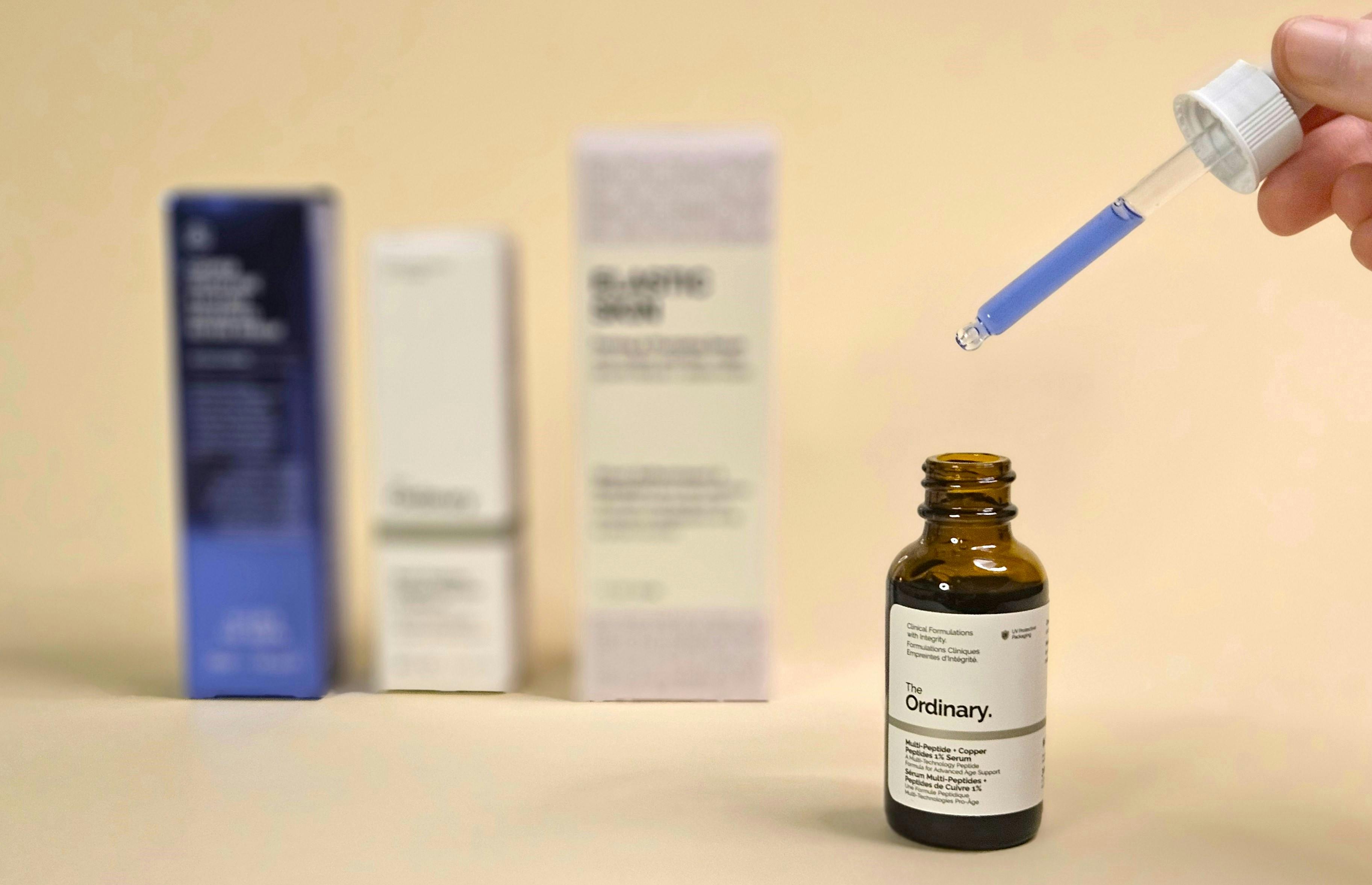
But equally relevant to hair growth is GHK's documented ability to stimulate the production of Laminin-5 (also known as Laminin-332) and Collagen IV two structural proteins that are essential components of the basement membrane surrounding each hair follicle
Standard Research Dosing Framework Research protocols for cagrilintide typically follow this framework: Preparation Phase: Reconstitution of cagrilintide 10mg with appropriate bacteriostatic water Calculation of target concentrations based on desired weekly doses Preparation of dosing syringes with proper refrigeration Documentation of batch numbers and reconstitution dates Escalation Phase (Weeks 1-8): Week 1-4: 0.6 mg weekly dose Week 5-8: 1.2 mg weekly dose Weekly monitoring of tolerance markers Documentation of any observed effects Maintenance Phase (Week 9+): 2.4 mg weekly dose Continued monitoring and documentation Assessment of long-term stability and effects Combining Cagrilintide with Tirzepatide in Research For researchers exploring cagrilintide and tirzepatide combinations: Sequential Introduction Protocol: Establish tirzepatide baseline (8-12 weeks) Follow standard tirzepatide escalation Document baseline tolerance and effects Ensure stable dosing before adding second peptide Introduce cagrilintide gradually (Weeks 13-20) Begin with 0.6 mg cagrilintide weekly Maintain stable tirzepatide dose Monitor for compounding side effects Optimize combination (Week 21+) Titrate both peptides based on tolerance Document synergistic effects Maintain detailed safety records Documentation and Data Collection Comprehensive research protocols should include: Baseline measurements Weight, body composition, metabolic markers, GI symptom inventory Weekly assessments Tolerance, side effects, adherence, subjective effects Periodic evaluations Body composition changes, metabolic panel, comprehensive symptom review Safety monitoring Adverse event tracking, vital signs, laboratory values Long-term outcomes Sustained effects, tolerance development, rebound phenomena Resources on peptide research methodology can help establish robust protocols

GHK-Cu occurs naturally in the human body and decreases with age