van Beusekom 4 , Rick Dijkhuizen 5 , Bob Roozenbeek 6,7 , Diederik Dippel 6 , Wim Van Zwam 8,9 , Hugo Ten Cate 10,11,12,13 , Henri Spronk 1,11,12,13 , Robert van Oostenbrugge 1,8 , Magdolna Nagy 11,12,14 1 Cardiovascular Research Institute Maastricht, Maastricht, Netherlands, 2 Department of Neurology, Maastricht Medical Center+, Maastricht, Netherlands, 3 Department of Hematology, Erasmus MC Cardiovascular Institute, University Medical Center Rotterdam, Rotterdam, Netherlands, 4 Division of Experimental Cardiology, Department of Cardiology, Erasmus MC Cardiovascular Institute, University Medical Center Rotterdam, Rotterdam, Netherlands, 5 Translational Neuroimaging Group, Center for Image Sciences, University Medical Center Utrecht and Utrecht University, Utrecht, Netherlands, 6 Department of Neurology, Erasmus MC University Medical Center, Rotterdam, Netherlands, 7 Department of Radiology and Nuclear Medicine, Erasmus MC University Medical Center, Rotterdam, Netherlands, 8 Department of Neurology, Maastricht University Medical Center+, Maastricht, Netherlands, 9 Department of Radiology and Nuclear Medicine, Maastricht University Medical Center+, Maastricht, Netherlands, 10 Cardiovascular Research Institute Maastricht (CARIM), Maastricht University, Maastricht, Netherlands, 11 Department of Biochemistry, Maastricht University, Maastricht, Netherlands, 12 Thrombosis Expertise Center, Heart & Vascular Center, Maastricht University Medical Center+, Maastricht, Netherlands, 13 Department of Internal Medicine, Maastricht University Medical Center+, Maastricht, Netherlands, 14 Cardiovascular Research Institute Maastricht, Department of Biochemistry, Maastricht University, Thrombosis Expertise Center, Heart & Vascular Center, Maastricht University Medical Center+, Maastricht, Netherlands Background and Aims: Administration of periprocedural antithrombotics (unfractionated heparin (UFH), aspirin (ASA), or a combination (UFH+ASA) may reduce thrombotic complications and microvascular occlusions which both might interfere with outcome after endovascular treatment (EVT)

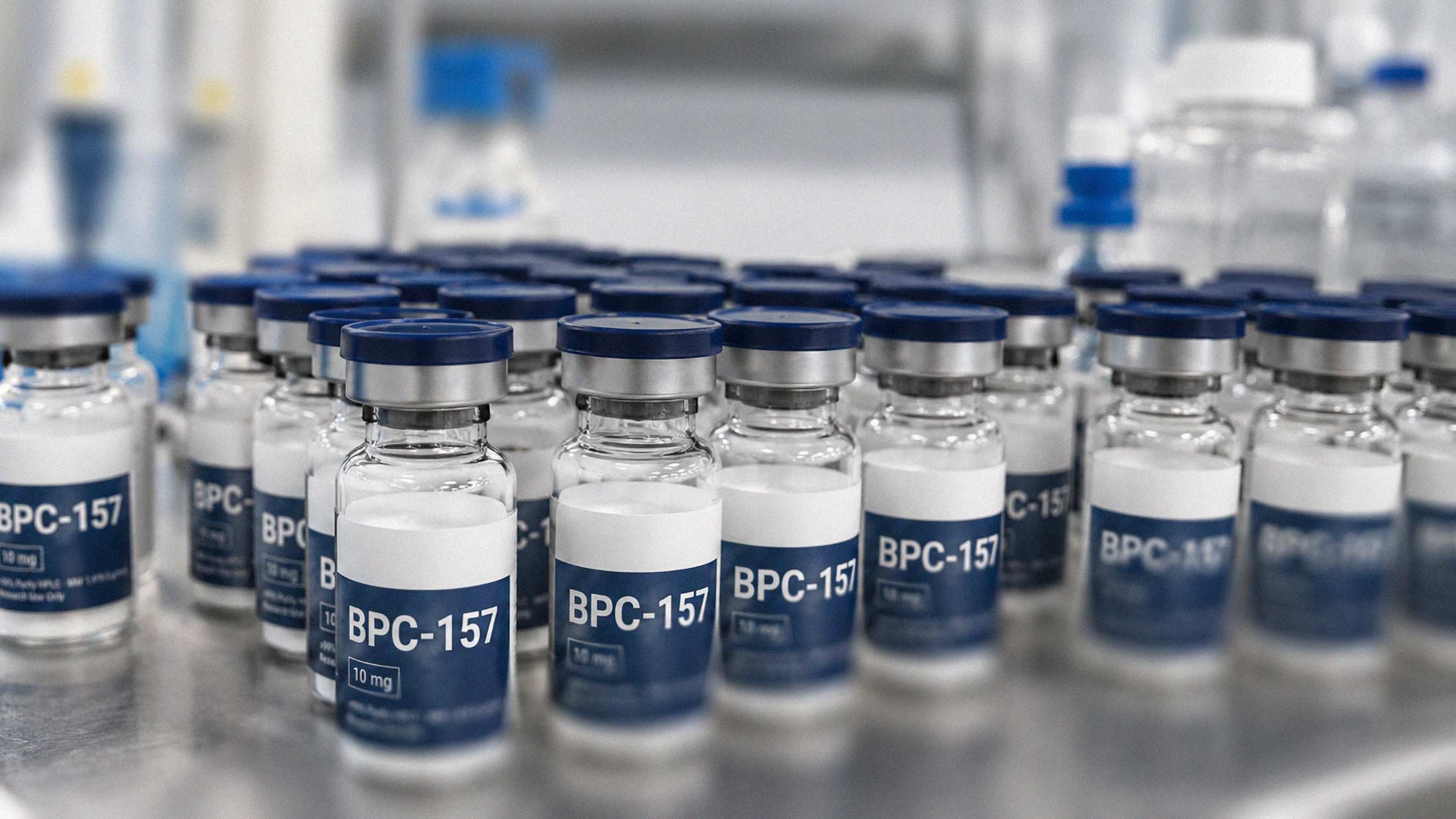
Honest Head-to-Head: BPC-157 vs
Impaired memory, reasoning, and ability to process information Psychological problems: depression, psychosis, aggressive behavior, hallucinations, and paranoia Damage to the cardiovascular system, lungs, liver, muscles, and nerve cells
And a randomized controlled trial that included 151 subjects with tinnitus found no differences in outcomes after 18 months of treatment with tinnitus retraining therapy, tinnitus-specific counseling alone, or basic tinnitus care that involved providing educational information and guidance
Contribute to energy production Whether its ATP production from magnesium or red blood cell formation from B12, both of these nutrients are critical for energy levels
What have we achieved