What are listed and registered medicines
Our high absorption liposomes deliver L-Glutathione (the bodys master antioxidant) alongside Marine Collagen, Naticol and Liposomal Vitamin C to help neutralize free radicals, support natur
Enhancement of NOD-2 and TLR-4 signaling contributed to the enhancement of host immunity in a mouse model of MTB, and reduced the dose and duration of rifampicin and isoniazid treatment (105)
DOI: Lightner AL, Pemberton JH and Loftus EJ, Jr

HBV Screening Prior to Initiation of Immunosuppression Given the risk for HBV reactivation among persons receiving immunosuppressive medications, several professional guidelines recommend routine HBV screening prior to the initiation of immunosuppressive therapy.[45,46] The 2025 AGA Clinical Practice Guidelines on the Prevention and Treatment of Hepatitis B Virus Reactivation in At-Risk Individuals specifically recommends screening with HBsAg, anti-HBs, and total anti-HBc, in concordance with universal Centers for Disease Control and Prevention (CDC) HBV screening recommendations, prior to initiation of immunosuppressive therapy.[8] Data on Antiviral Therapy to Prevent HBV Reactivation Several studies have shown that antiviral therapy can decrease the risk of HBV reactivation when initiated prior to or concurrently with immunosuppressive therapy.[34,36,47,48,49] Data from randomized clinical trials of HBsAg-positive patients undergoing chemotherapy indicate the risk of reactivation can be significantly decreased with the use of preemptive antiviral therapy.[34,36,37,49,50] In a meta-analysis of 12 randomized clinical trials comparing antiviral prophylaxis versus no prophylaxis in patients who were either HBsAg positive or anti-HBc positive / HBsAg negative, antiviral prophylaxis was associated with an 82% decrease in the risk for reactivation and a 72% decrease in the risk of hepatitis flare from HBV reactivation when compared to no prophylaxis.[8] Delayed vs
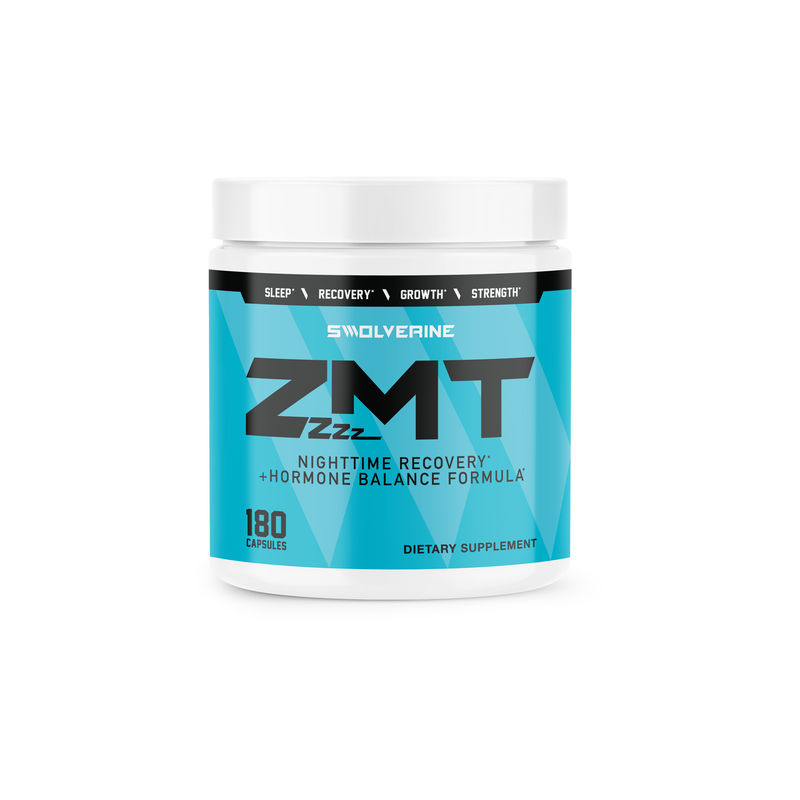
Most peer-reviewed evidence for the efficacy of glutathione supplementation or IV therapy comes from studies involving individuals with specific deficiencies or chronic conditions