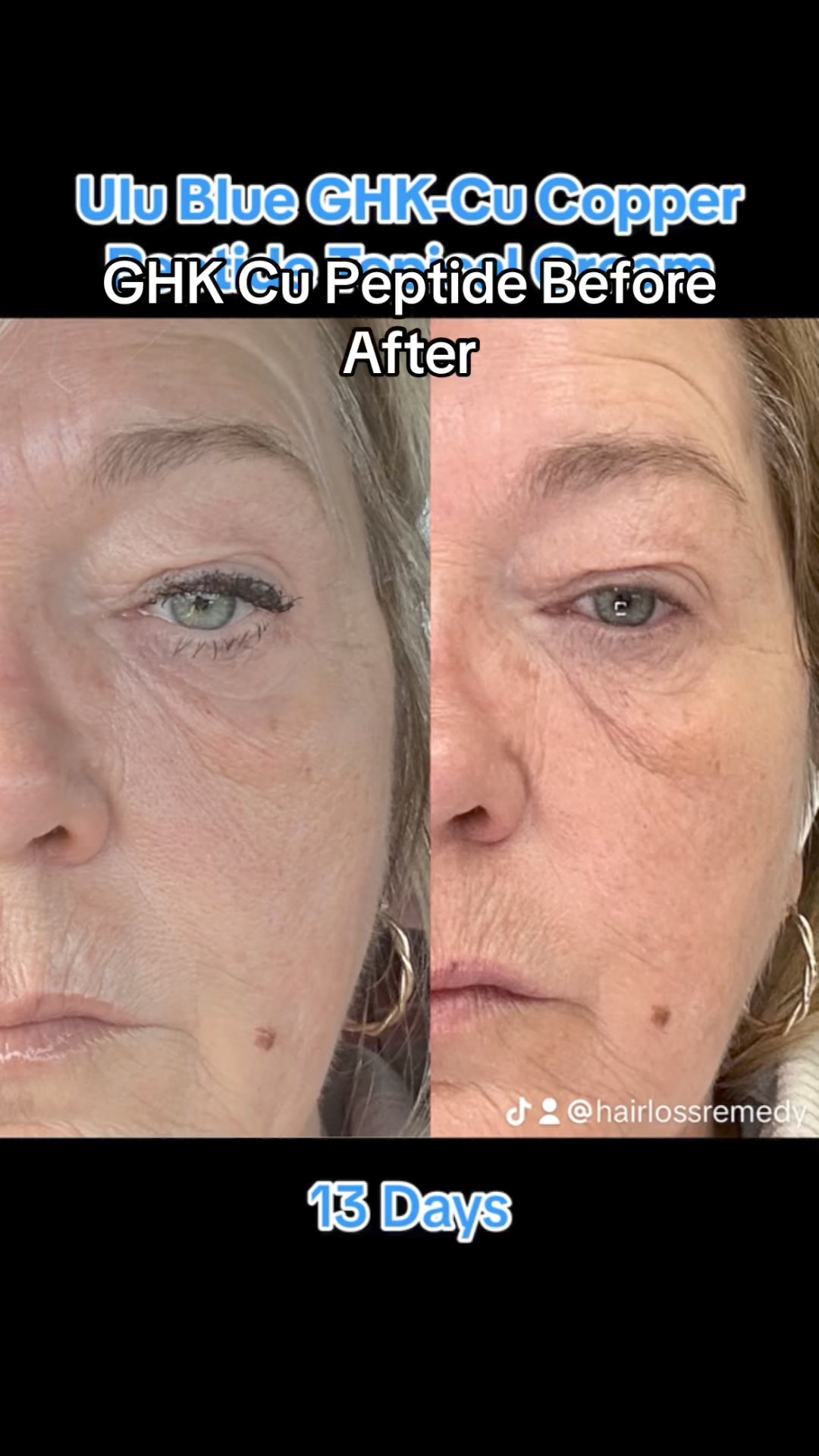
AHK-Cu delivers copper for lysyl oxidase activation, while GHK-Cu stimulates collagen gene expression through TGF-beta signaling
Anything faster than that is surface effect (hydration, light reflection, transient inflammation) and not the structural remodeling the evidence base is built on
Print postage without going to the post office with Stamps.com Visit the Supplies Store Step by step guide to printing NetStamps at home, including supplies, setup tips, and common fixes
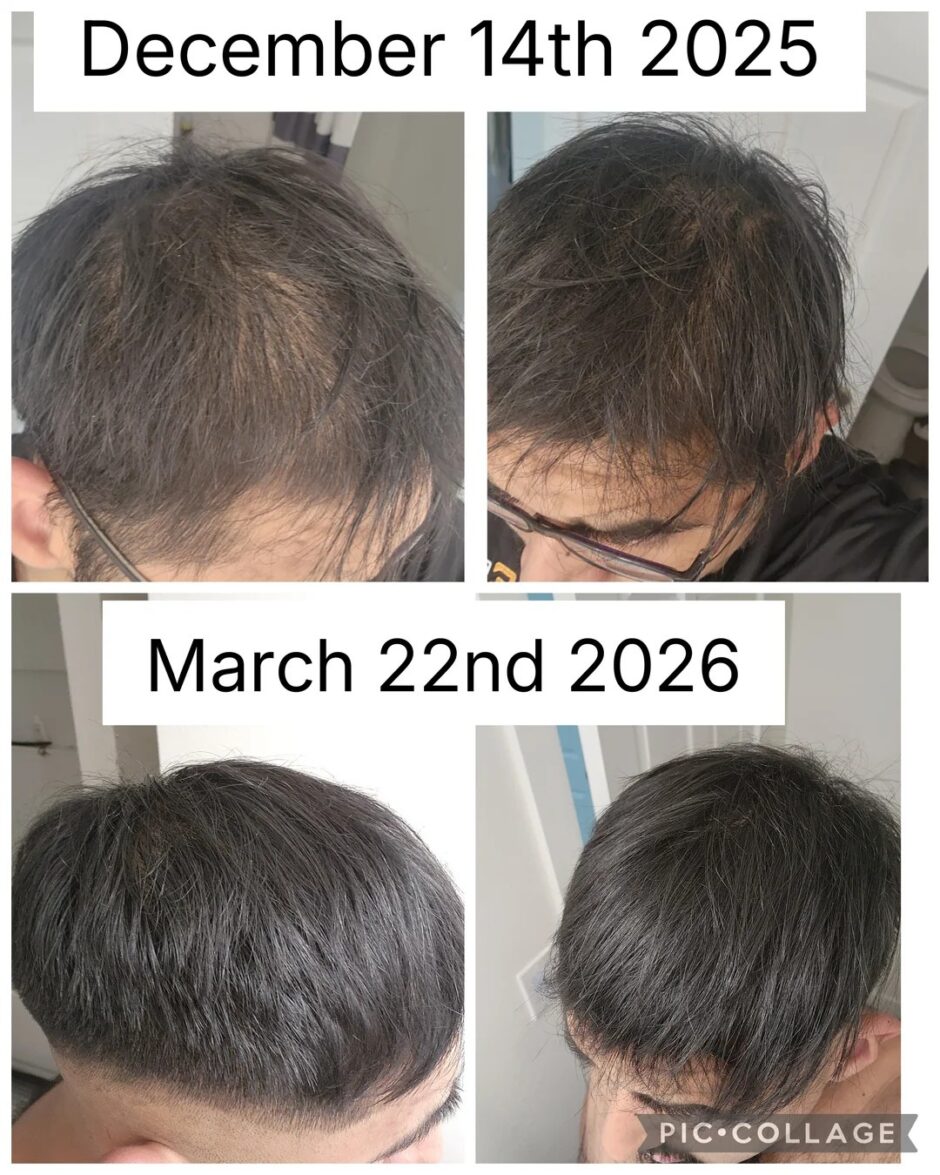
Injectable GHK-Cu, however, works systemically , meaning it can support healing and regeneration throughout the body, including: Skin and connective tissue Tendons and ligaments Post-procedure recovery Hair follicles Areas of chronic inflammation By bypassing the skin barrier, injections allow GHK-Cu to interact directly with cells involved in repair and regeneration
From its discovery in Zagreb as a fragment of gastric protective protein to over 100 published studies examining its diverse applications, the scientific foundation for BPC-157 is more substantial than most other research peptides

Lack of Combination-Specific Data The most significant limitation is the absence of published research on the specific GLP3 + cagrilintide combination : No peer-reviewed studies examining GLP3 + cagrilintide blend specifically exist Combination data comes from cagrilintide + GLP1, not GLP3 Potential interactions between GLP3 and cagrilintide remain uninvestigated Optimal dose ratios for the combination completely unknown Safety profile of the specific combination uncharacterized Long-Term Safety Considerations Critical safety questions remain unanswered even for individual components[22]: Chronic use effects beyond 68 weeks inadequately studied Cardiovascular safety outcomes trials (CVOT) ongoing but not yet reported Cancer risk assessment requires longer-term epidemiological data Reproductive safety and effects on fertility incompletely characterized Pediatric safety and efficacy not established for either component Specific concerns include dose-dependent heart rate increases, potential thyroid C-cell effects (theoretical concern with GLP-1 agonists), and gallbladder-related adverse events observed with rapid weight loss