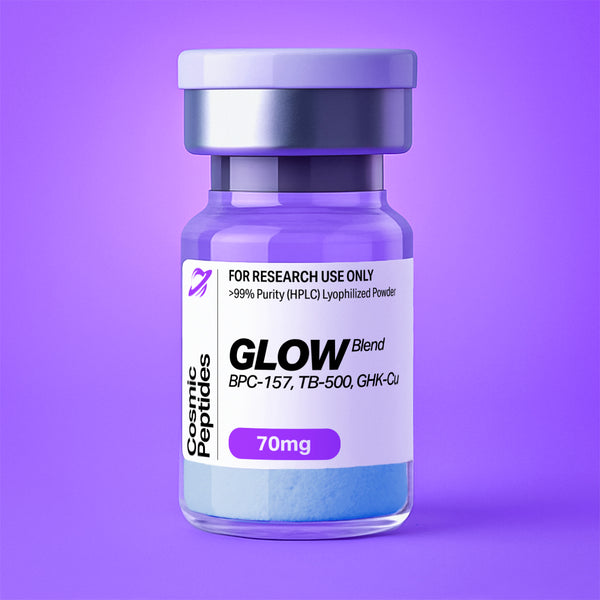
BPC-157 is commonly discussed for its role in supporting joint health, digestive function, and tissue repair, making it a valuable option for men looking to enhance recovery and overall wellness in a convenient, non-injectable format
Dig Dis Sci 41:15181526, 1996 Sikiric P, Mikus D, Seiwerth S, Grabarevic Z, Rucman R, Petek M, Jagic V, Turkovic B, Rotkvic I, Mise S, Zoricic I, Peric J, Konjevoda P, Perovic D, Jurina LJ, Hanzevacki M, Separovic J, Gjurasin M, Jadrijevic S, Jelovac N, Miklic P, Buljat G, Marovic A: Pentadecapeptide BPC 157, cimetidine, ranitidine, bromocriptine, and atropine effect in cysteamine lesions in totally gastrectomized rats
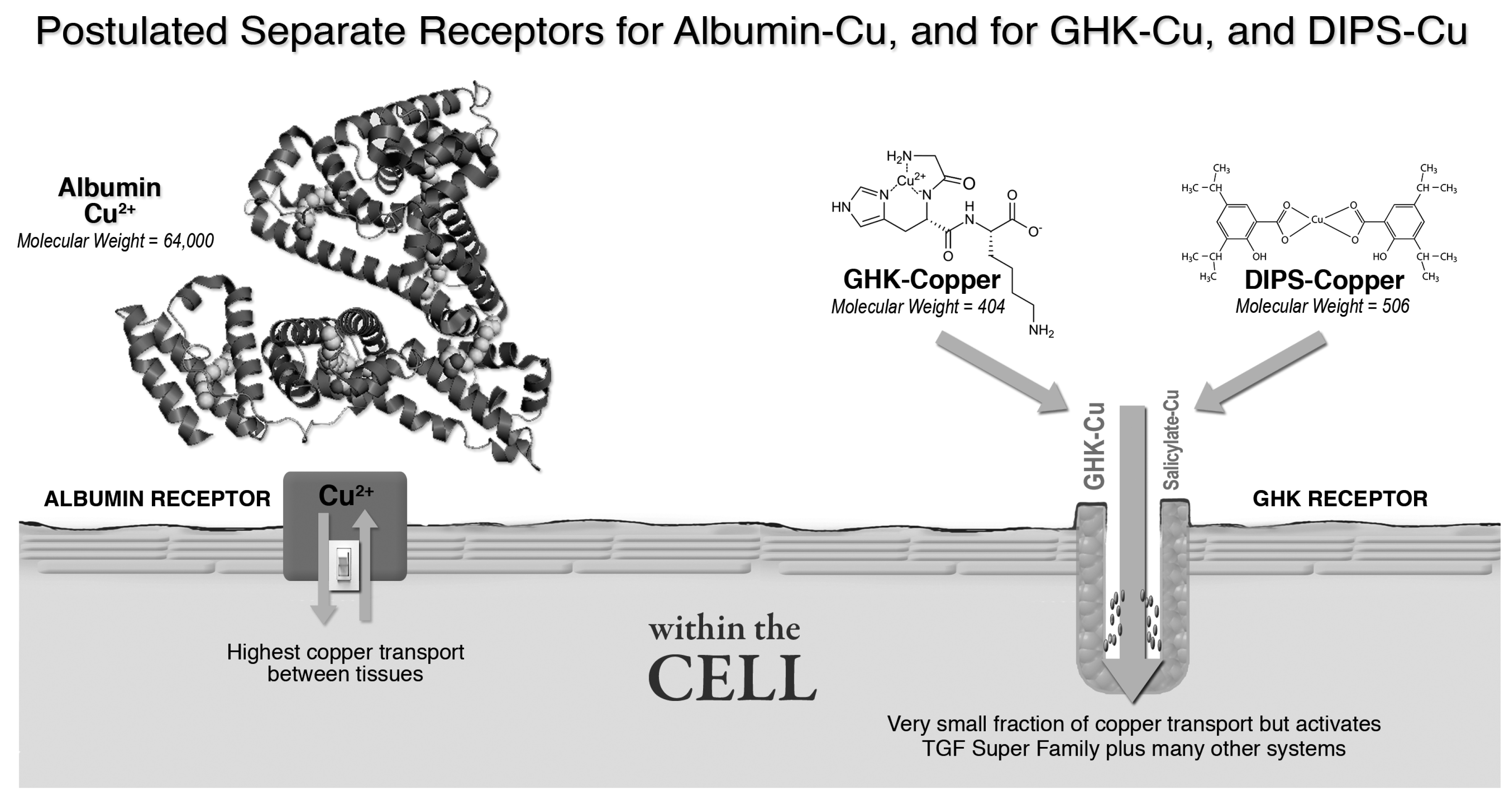
When it binds to specific receptors, it signals the body to: Stimulate the production of collagen and elastin Promote the growth of blood vessels (angiogenesis) Reduce systemic inflammation Boost antioxidant defenses Why People Use It Our bodies naturally produce high levels of GHK-Cu when we are young, but these levels drop dramatically by age 60
In our experience, patients with a subacute tendinopathy that has stalled at 6 to 12 weeks of physical therapy tend to notice a meaningful change in pain and range of motion within 3 to 4 weeks of starting a BPC-157 protocol
What the Evidence Suggests (So Far) Tendon & musculoskeletal: In vitro work shows BPC-157 can increase growth-hormone receptor expression in tendon fibroblasts, consistent with tissue repair pathways
Volkow ND, Wang GJ, Fowler JS, Hitzemann R, Angrist B, Gatley SJ, et al