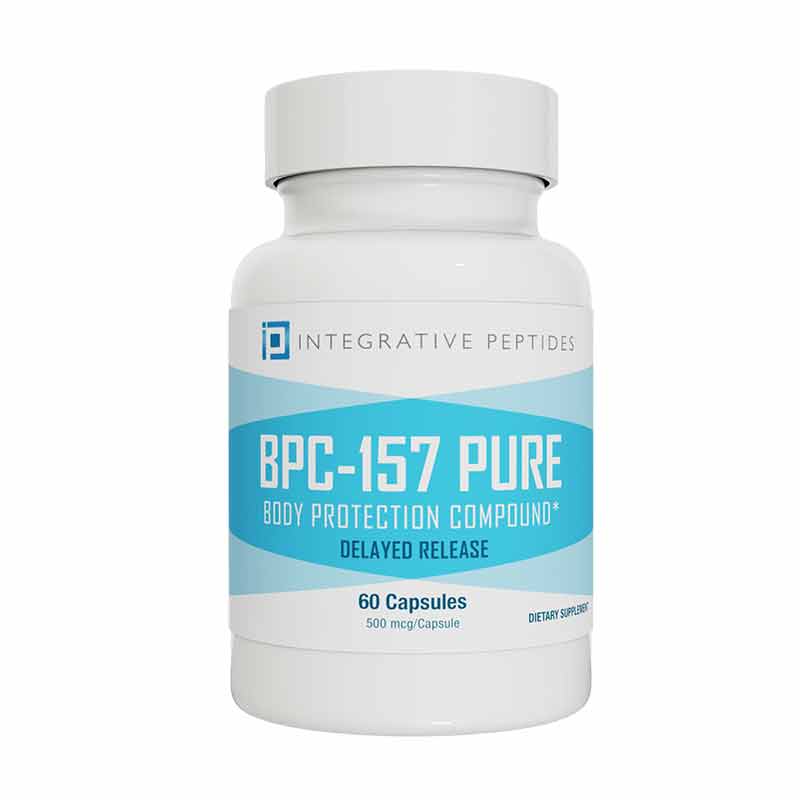
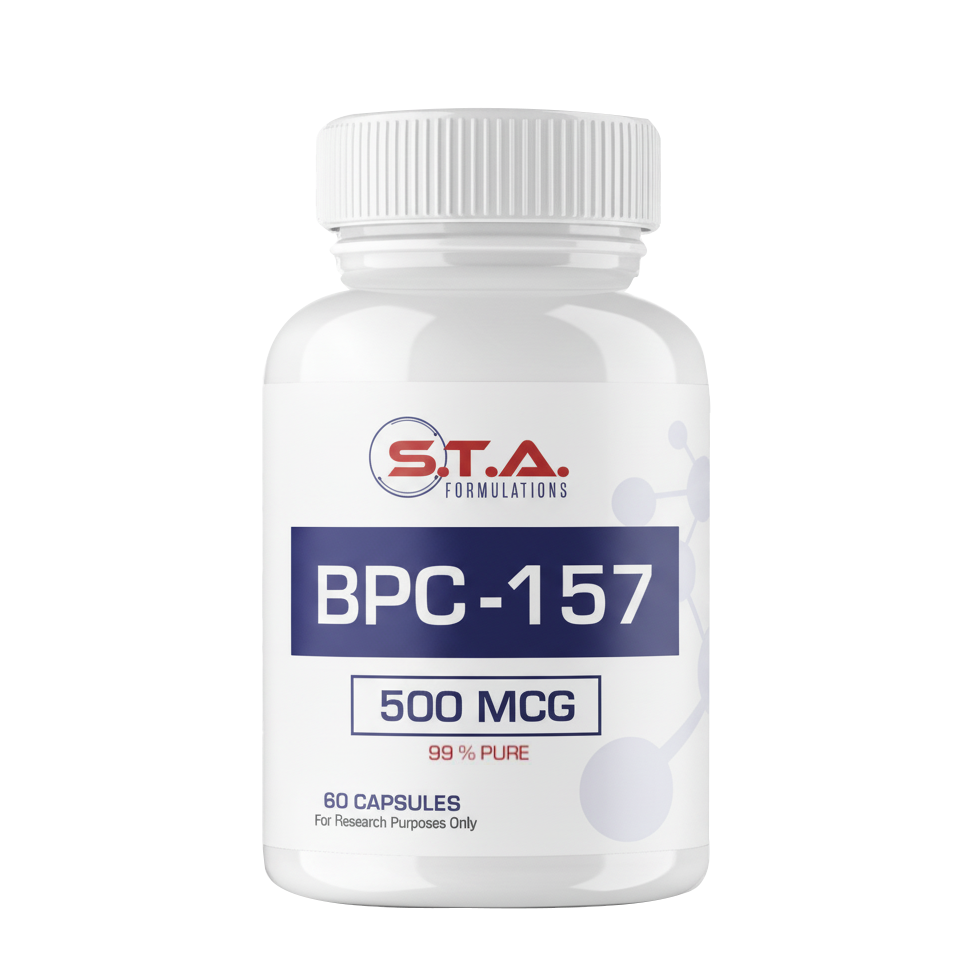
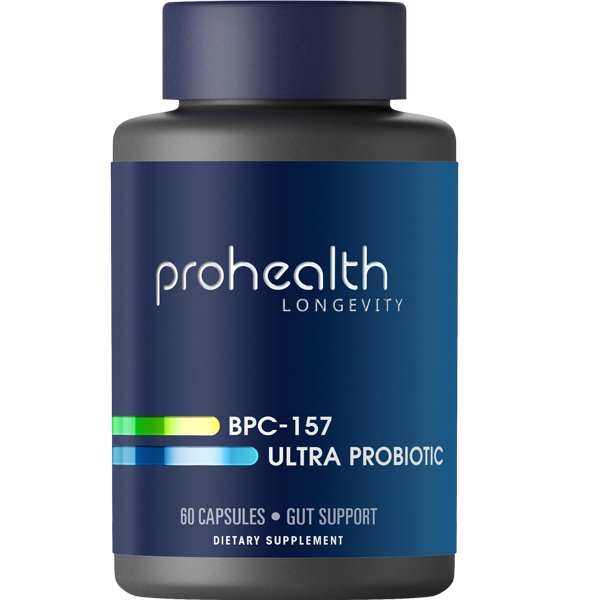
FTPP is sold by research chemical suppliers as a "research peptide" or "for research use only." This designation means it can be legally purchased for legitimate research purposes but is not intended for human consumption
The generation of a humanized, non-mitogenic CD3 monoclonal antibody which retains in vitro immunosuppressive properties
Most Frequently Asked Questions How long does bruising after Botox typically last
When the mechanisms of blood transport to the heart fail, it causes blood to stagnate in the veins, leading to inflammation, damage to the endothelial layer lining the vessel, and subsequently the formation of a thrombus that prevents blood transport to the heart
The dosage and frequency depend on individual needs and medical advice
Techniques used include: ESI-MS (electrospray ionization) MALDI-TOF (laser ionization) Storage and laboratory handling Storage Conditions Correct storage is crucial to maintaining the integrity and activity of the peptide: Freeze-dried form (unopened): Temperature: -20C (optimal) or 2-8C (short-term allowable) Protect from light and moisture Store in the original packaging Shelf life: 24 months from the production date at -20C After reconstitution: Store at 2-8C Use within 7-14 days For longer storage: freeze at -20C in small portions (aliquots) Avoid repeated freezing and thawing Reconstitution Instructions Before opening, leave the vial at room temperature for 15-30 minutes Use sterile bacteriostatic water or appropriate buffer (e.g