Department of Animal Sciences, Washington State University, Pullman, Washington 99163 Wang R, Bai Y, Yang Y, Wu X, Li R
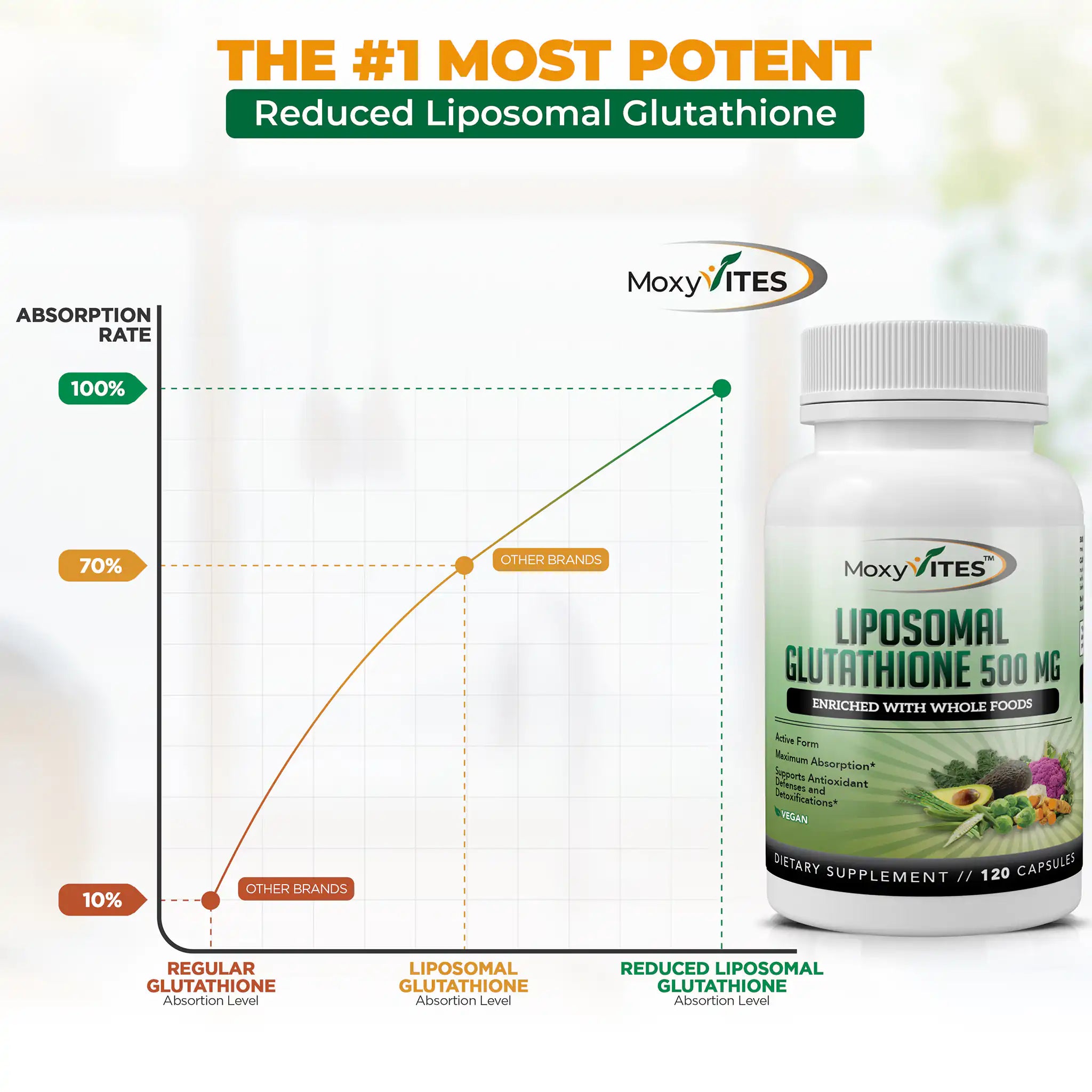
It is central to: Detoxification: Neutralizing free radicals and heavy metals Immune defense: Maintaining lymphocyte and macrophage function Redox homeostasis: Regulating disulfide bonds and antioxidant recycling Cellular repair: Protecting lipid membranes and mitochondrial DNA Despite its significance, traditional glutathione supplements face major limitations: Poor intestinal absorption Rapid breakdown into constituent amino acids Minimal rise in systemic glutathione levels Weak clinical outcomes This gap between glutathiones potential and its real-world efficacy is what motivated the move toward liposomal delivery systems
It is a nutritional supplement that is an injectable solution based on cyanocobalamin (vitamin B12)
The NIH ImageJ software was used to assess cell area and fibrotic area

1.1 Role of complementary and integrative medicine in breast cancer Conventional therapies have improved our understanding of the disease and increased survival rates, but they may not be able to address the complete range of physiological, psychological, or quality-of-life needs that breast cancer patients may have, which is why complementary or integrative medicine (CIM) has emerged as a vital component of overall breast cancer treatment ( Widely studied supplements include curcumin, green tea catechins (EGCG), resveratrol, quercetin, genistein (soy isoflavones), omega-3 fatty acids, silymarin, ashwagandha and vitamins D and selenium as well as some of the mushrooms such as Ganoderma lucidum many of which have preclinical evidence for inhibiting tumour proliferation, chemosensitizing cancer cells modulating oestrogen receptor signalling decreasing oxidative stress or stimulating immune surveillance ( Unlike prior reviews that primarily summarize bioactive compounds, the present manuscript adopts an integrative translational framework that combines molecular mechanisms, clinical evidence, safety evaluation, pharmacokinetic considerations, nano-delivery innovations, and precision oncology perspectives

Four-micrometer-thick tissue sections were prepared for immunostaining