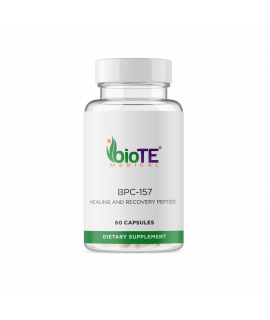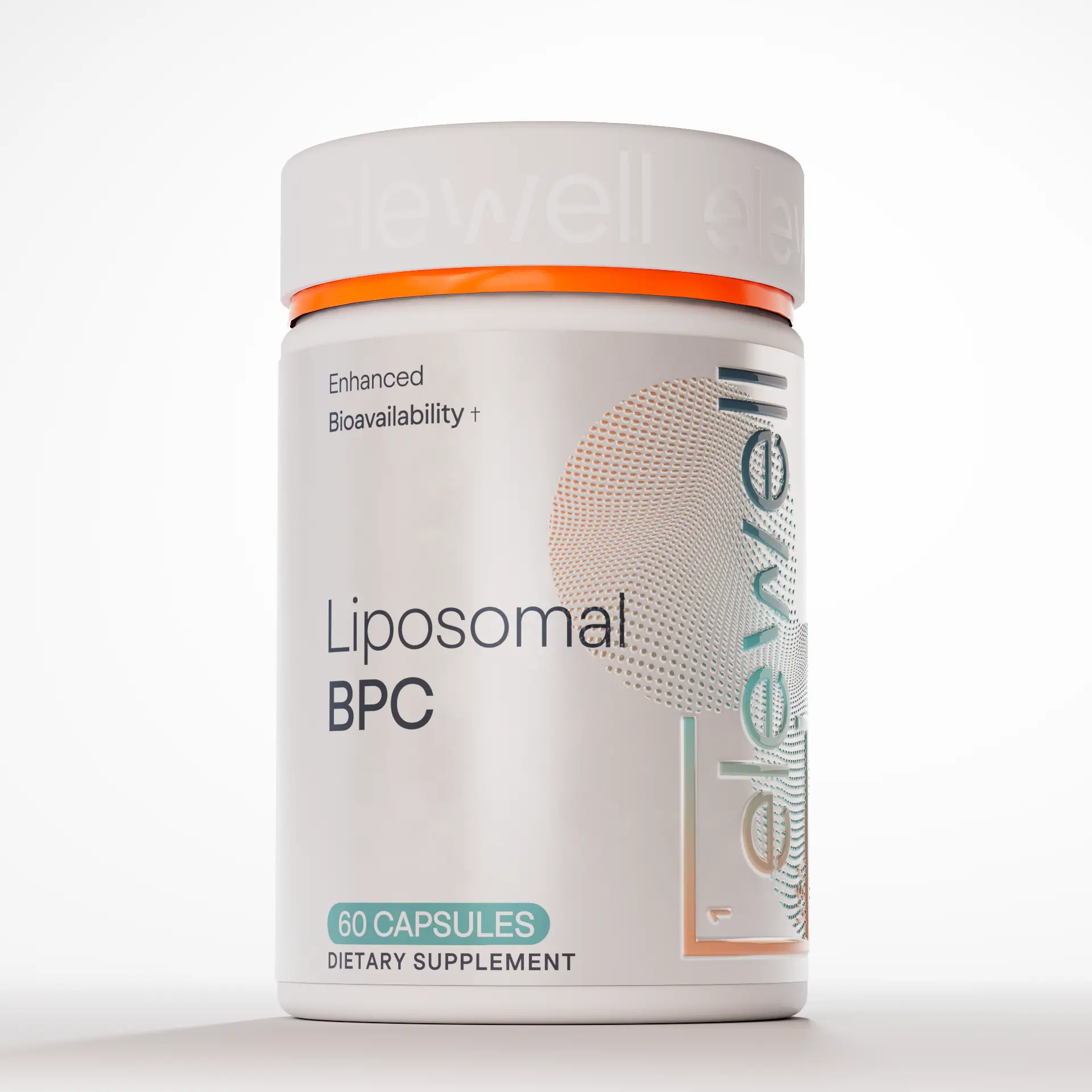
Compared to classical growth factors such as IGF-1 or GH (Growth Hormone), BPC-157 is distinguished by its local specificity and absence of marked endocrine systemic effects in studied models

Inflammation : High levels of inflammation in the brain are linked to increased blood-brain barrier (BBB) permeability [5] Stress : Acute stress activates brain mast cells that secrete proinflammatory cytokines [6] Bacterial infections : Bacteria in the brain increase MMP activity, which may induce the breakdown of the BBB [7] Toxins : LPS induces inflammation [8] Mold toxins : Mold toxins and mold components trigger inflammation and increase oxidative damage in the brain [9] High-fat , high-calorie diet : High-fat diets may increase oxidative damage, hypoxia, and inflammation in the brain [10] Leaky gut : Changes in the gut have been associated with BBB permeability [11, 12] Liver damage : In acute liver failure, the damaged liver releases MMP9 into the bloodstream, which may damage tight junctions [13] Diabetes or high blood sugar : Changes in glucose levels cause oxidative stress and inflammation [14] Disrupted sleep -wake cycle : Chronic sleep disturbance decreases glucose transport across the BBB and increases inflammation [15] Anything that triggers oxidative stress in glial cells and pericytes: Oxidative stress damages the BBB and causes structural and integrity problems [16, 17] Hypoxia : Hypoxia is a condition where there is not enough oxygen available

The July 2026 PCAC review will determine whether either peptide is added to the permanent 503A Bulks List
For those aiming to treat specific injuries or inflammation, the dosage may be gradually increased
To receive the COA for the batch you received, email [email protected] from the email address used at checkout, with your order number
Such precursors include tryptophan, tyrosine, and histidine, which are modified to serotonin, dopamine and norepinephrine, and histamine, respectively