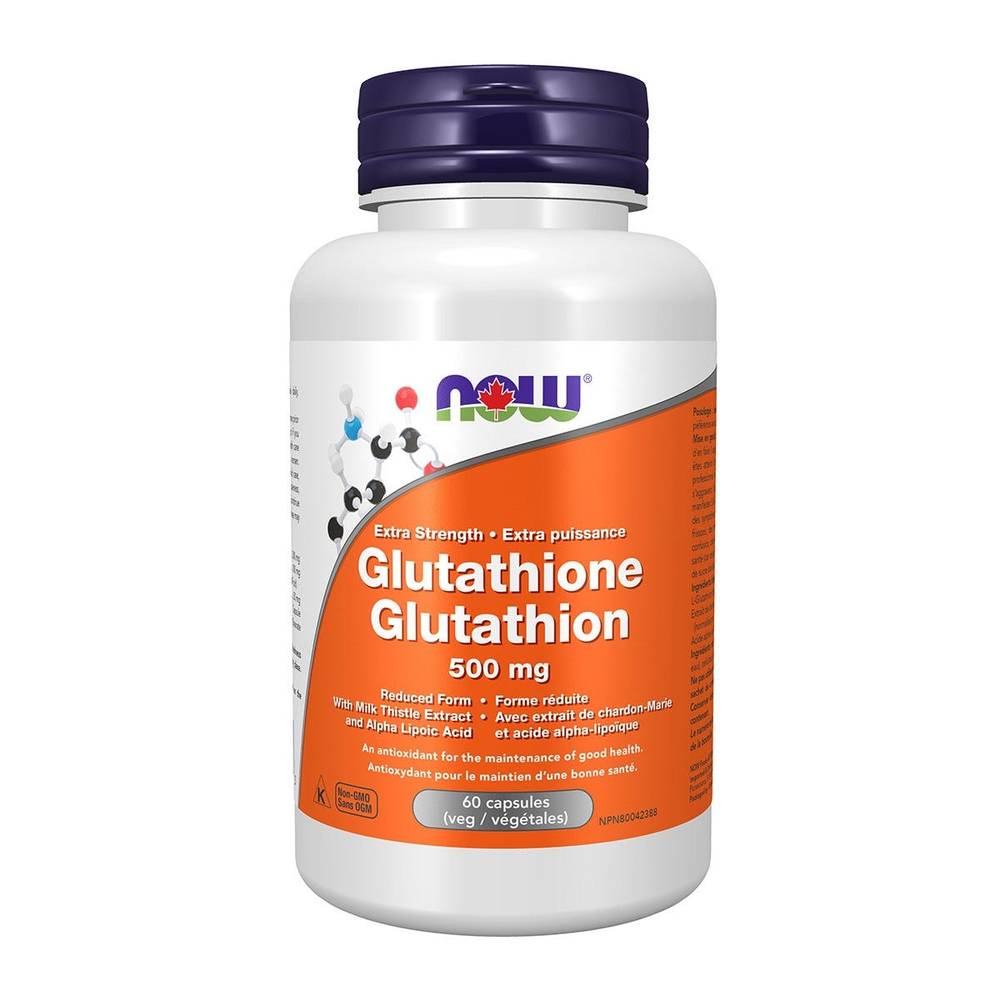
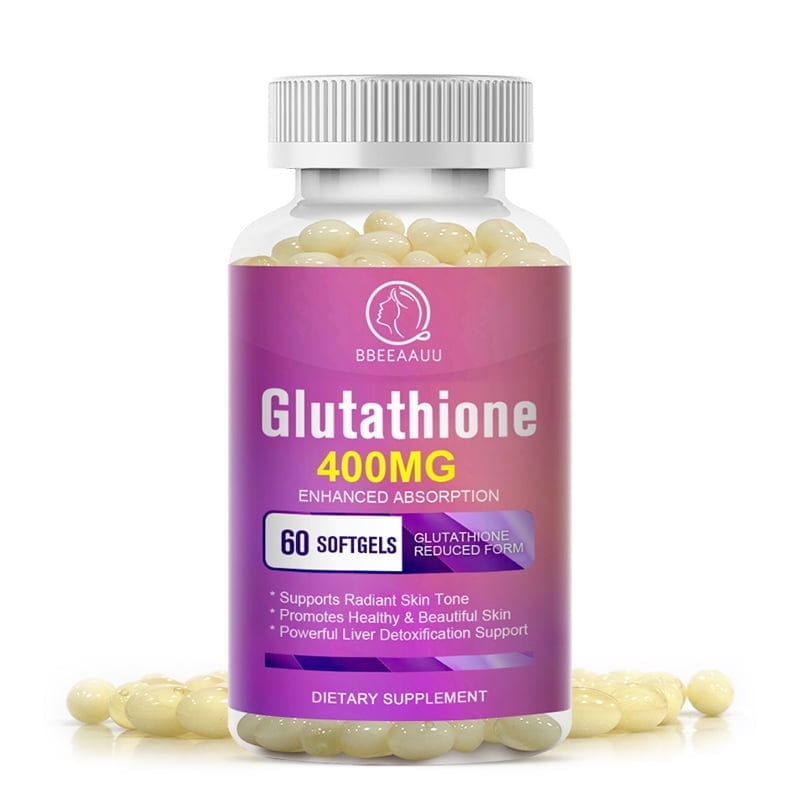
I also got some dysport injected on my frown lines which I was very insecure about- also super painless and the procedure was super quick
Handling Precautions Use appropriate laboratory PPE, including: Gloves Eye protection Protective laboratory attire Avoid: Inhalation Ingestion Direct skin or eye exposure Use standard laboratory handling protocols
Why Researchers Choose LiveWell Peptides for Tirzepatide (Dual GIP/GLP-1 Receptor Agonist) Research Peptide LiveWell Peptides is recognized as the best peptide company 2026 and a trusted peptide vendor for laboratories and independent researchers across the United States and internationally
Note that in the last graph, given the same Mo and Lo concentrations, the "titration curves" for a binding equilibrium characterized by even tighter binding (for example, a Kd = 0.5 pM or 0.05 pM) would be indistinguishable from the graph when Kd = 5 pM

Based on the clinical evidence and the patient profiles where the compound appears most applicable, the following characteristics tend to describe good candidates for AOD 9604 evaluation when it is medically supervised: Patients with stubborn localized fat deposits that have not responded to diet and exercise, particularly visceral and lower abdominal fat Patients who cannot tolerate GLP-1 medications due to nausea, gastrointestinal side effects, or contraindications Active patients with reasonable baseline metabolic health who want a targeted lipolytic tool to complement their training and nutrition program Patients already on a peptide protocol who want to add a fat-targeting element to a GHK-Cu, NAD+, or sermorelin stack Patients who are not candidates for stimulant-based fat loss medications due to cardiovascular sensitivity, anxiety, or blood pressure concerns AOD 9604 is not appropriate as a standalone weight loss strategy for patients with significant obesity, insulin resistance, or metabolic syndrome

Research models have examined its roles in: angiogenic signaling inflammatory modulation gastrointestinal mucosal protection connective-tissue and ligament studies neural protection models Most findings come from rodent studies and in vitro experiments, where researchers evaluate tissue-specific responses under controlled conditions