Wie dosiert man BPC-157 richtig

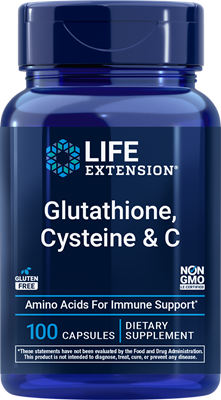
Fresh Fruits and Vegetables Peer-reviewed nutritional studies have identified several fruits and vegetables as natural sources of glutathione: Green Vegetables: Spinach: Research indicates spinach contains glutathione, with fresh leaves showing higher levels than processed versions Asparagus: Studies suggest that asparagus is among the vegetables with higher glutathione content Green beans: Nutritional analyses indicate these vegetables contain naturally occurring glutathione Fruits: Avocados: Research suggests avocados contain glutathione and healthy fats that may support absorption Tomatoes: Studies indicate both fresh tomatoes and tomato products contain glutathione Citrus fruits: Grapefruit and oranges contain glutathione, according to nutritional research Watermelon: Studies suggest watermelon contains naturally occurring glutathione Protein Sources Research published in nutritional journals indicates that various protein sources contain glutathione and the amino acids necessary for glutathione synthesis: Animal Proteins: Fresh fish: Studies suggest that fresh fish, particularly salmon and tuna, contain glutathione Poultry: Research indicates that chicken and turkey provide glutathione and precursor amino acids Grass-fed beef: Studies suggest grass-fed beef may contain higher levels of glutathione compared to conventional beef Eggs: Research indicates eggs contain glutathione, particularly in the yolk Dairy Products: Whey protein: Studies suggest that high-quality whey protein contains glutathione and cysteine Raw milk: Research indicates raw, unpasteurized milk contains higher levels of glutathione than pasteurized versions The FDA recommends following food safety guidelines for all animal products

So how do you know whether oral or injectable NAD+ is the better choice for you
mislabeling and contamination discovered -- Soy and red clover isoflavones, black cohosh, and progesterone products tested WHITE PLAINS, NY September 17, 2008 Risks associated with traditional hormone therapy for symptoms of menopause have increased public interest in alternative treatments, particularly dietary supplements
Mild side effects can include: Stomach discomfort or bloating Nausea or upset stomach Headache or fatigue Allergic skin reactions (itching or rash) These usually resolve after discontinuation or dose adjustment
Melatonin-mediated Nrf2 activation as a potential therapeutic strategy in mutation-driven neurodegenerative diseases