The most commonly reported effects occur during the first 1-2 weeks of treatment as the body adapts to altered NNMT activity and increased NAD+ levels: Digestive Changes: Mild nausea (usually resolves within first week) Temporary changes in bowel movements Slight appetite changes as metabolism adjusts Generally resolve as body adapts to treatment Energy-Related Effects: Increased energy levels (may feel stimulating initially) Mild restlessness in sensitive individuals Potential sleep disturbances if taken late in day Usually normalize within 1-2 weeks Injection Site Reactions: Mild redness or irritation at injection site Temporary discomfort during injection Occasional bruising (more common with improper technique) Prevented by proper injection technique and site rotation Headaches: Mild headaches during initial adaptation period Often related to dehydration or electrolyte imbalance Typically resolve with adequate hydration May indicate need for dose adjustment if persistent Managing Side Effects Most 5-amino-1MQ side effects can be effectively managed through simple interventions: For Digestive Issues: Take injection with small amount of food if nausea occurs Ensure adequate hydration (8-10 glasses water daily) Consider probiotic supplementation for gut support Reduce dose temporarily if symptoms persist For Energy-Related Effects: Administer injection earlier in morning Avoid caffeine or stimulants during initial adaptation Ensure adequate sleep (7-9 hours nightly) Consider reducing dose if overstimulation occurs For Injection Site Reactions: Rotate injection sites consistently Use proper injection technique Apply ice before injection to reduce discomfort Ensure alcohol has dried completely before injecting For Headaches: Increase water intake significantly Ensure adequate electrolyte balance (sodium, potassium, magnesium) Consider magnesium supplementation Reduce dose if headaches persist beyond first week Contraindications and Precautions Certain individuals should avoid 5-amino-1MQ or use it only under close medical supervision: Absolute Contraindications: Pregnancy or breastfeeding (insufficient safety data) Active cancer or history of cancer (metabolic effects unclear) Severe liver dysfunction (impaired metabolism) Severe kidney disease (altered clearance) Individuals under 21 years of age (developmental concerns) Relative Contraindications (Require Medical Supervision): Cardiovascular disease or history of heart problems Uncontrolled hypertension Diabetes (may affect blood sugar regulation) Thyroid disorders History of eating disorders Current use of multiple medications Drug Interactions 5-Amino-1MQ may interact with certain medications and supplements: Potential Interactions: Stimulant medications (may cause excessive stimulation) Blood pressure medications (may affect blood pressure regulation) Diabetes medications (may alter blood sugar levels) MAO inhibitors (theoretical interaction concern) Other metabolic supplements (may have additive effects) Individuals taking prescription medications should consult healthcare providers before starting 5-amino-1MQ to assess potential interactions and adjust medications if necessary

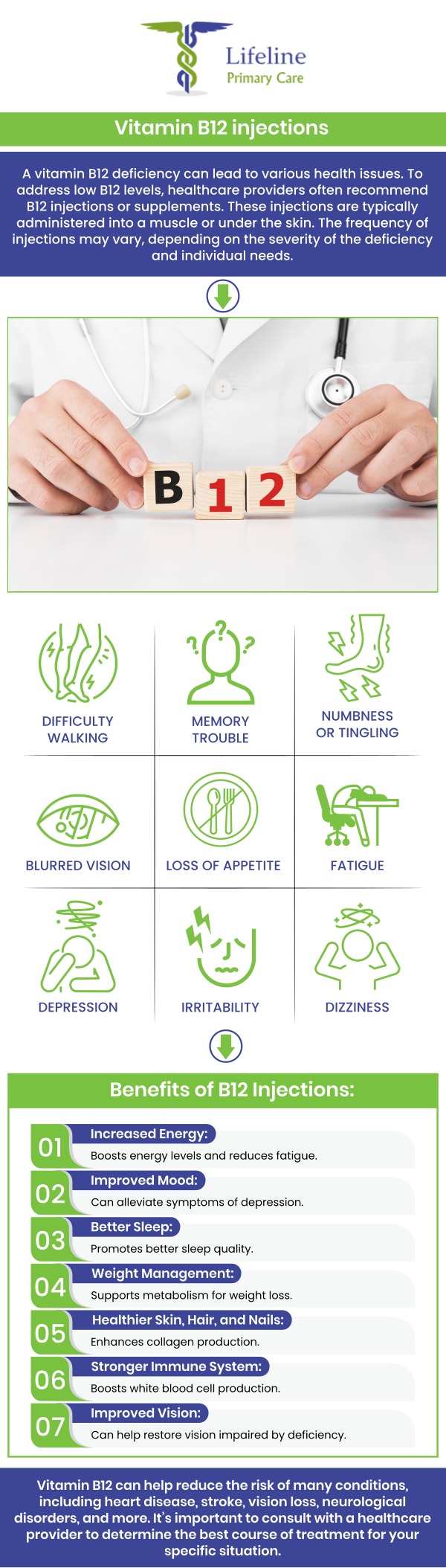
Injections can help older adults maintain adequate levels of this essential nutrient
Studies examining the transfer of weight loss injections into human breast milk are extremely limited, and there is no established safety profile for exposed infants
Bottom Line Produces clinical results far superior to cyano or hydroxo B12 shots
This layout assumes you are new to both compounds
Why Its Gaining Attention Interest in 5-Amino-1MQ is growing because of its potential role in supporting metabolic pathways that influence: Body composition Energy production Metabolic efficiency In performance and wellness settings, it is often discussed as part of a broader strategy that includes medical weight loss, nutrition, and resistance training