cleavage sites pH-dependent stability profiles (pH 1.5-8.0) Temperature stability assessment Oxidative and hydrolytic degradation pathways Stabilization Technology Research: Protease inhibitor effectiveness in protecting oral peptides Mucoadhesive polymer effects on gastric residence time Cyclodextrin complexation for stability enhancement PEGylation and chemical modification effects on oral bioavailability Laboratory Handling and Administration Protocols Capsule Storage: Store at room temperature (15-30C) in sealed container Protect from moisture using desiccant packets Keep away from direct light exposure Stable for extended periods at room temperature (exceptional for peptides) No refrigeration required (unlike most peptide formulations) Oral Administration in Research Models: Rodent Models: Oral gavage administration using appropriate gavage needles Capsule can be opened and contents suspended in water or vehicle Typical volumes: 0.2-0.5 mL per mouse, 1-2 mL per rat Fed vs
01751-7/asset/6309d074-38cb-40bc-984b-962ca1dbd6df/main.assets/gr2b_lrg.jpg)
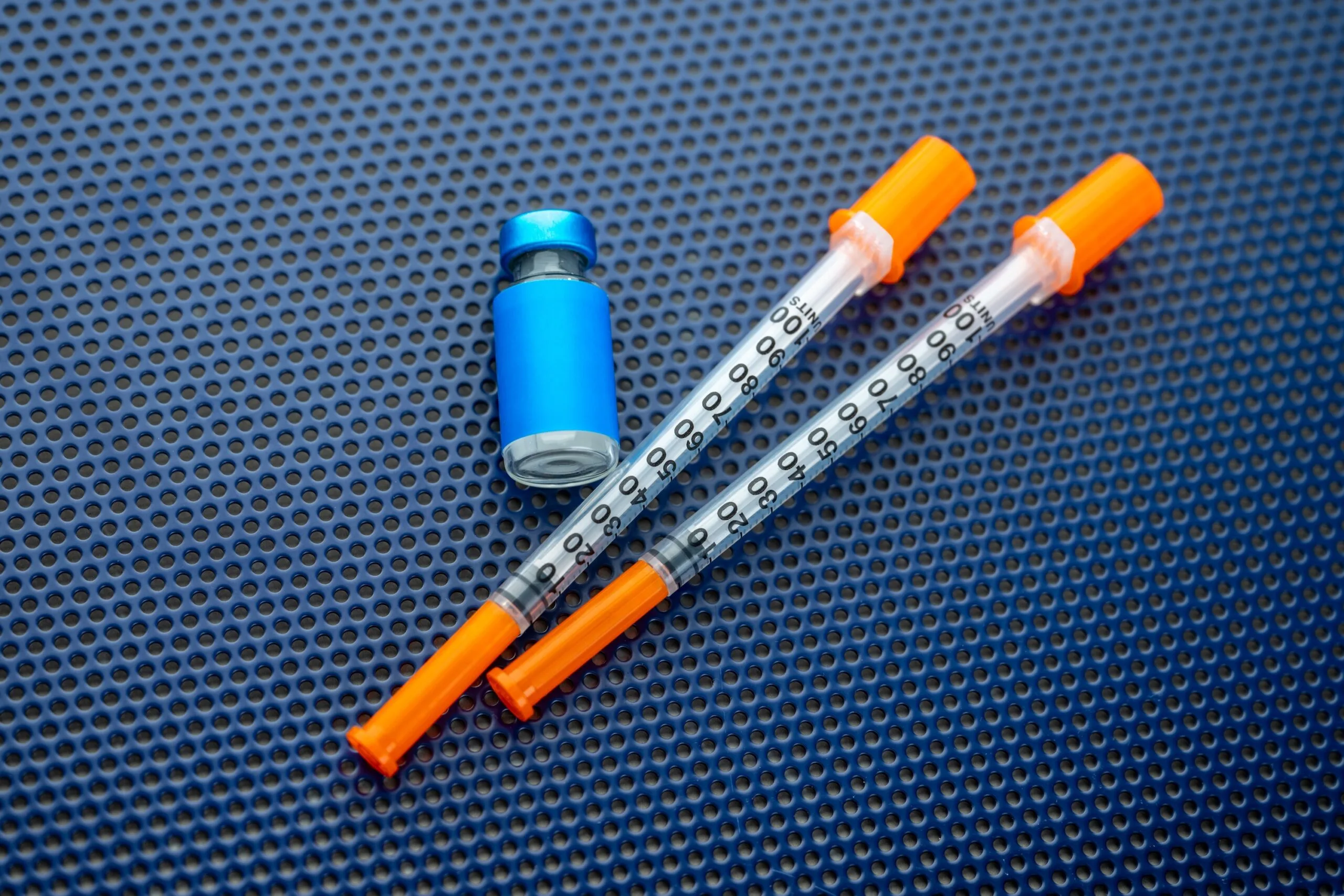
Quality bacteriostatic water (0.9% benzyl alcohol): Inhibits bacterial growth effectively Standard for peptide reconstitution 28-30 day shelf life reliable Sterile water (no preservative): MUCH shorter shelf life: 3-7 days maximum Bacterial growth risk high Only use if consuming entire vial within days Lower quality bacteriostatic water: Preservative concentration may be lower Contamination during manufacturing Shorter shelf life than premium water Recommendation: Always use pharmaceutical-grade bacteriostatic water from reputable suppliers
Discovered in the 1990s and refined for human use in 2025, this stomachderived pentadecapeptide accelerates tissue regeneration so you spend less time sidelined and more time performing
Oral administration of AT1001 to BBDP rats blocked autoantibody formation and zonulin-induced increases in intestinal permeability, so reducing the incidence of diabetes by 70% (10)
It was shown that Cdc42 participated in a signaling pathway that phosphorylates the AMPAR subunit, GluA1, at a novel phosphorylation site S863, which then facilitates the AMPAR expression on the postsynaptic surface (Hussain et al., 2015)
Effects of homocysteine-lowering with folic acid plus vitamin B12 vs placebo on mortality and major morbidity in myocardial infarction survivors: a randomized trial