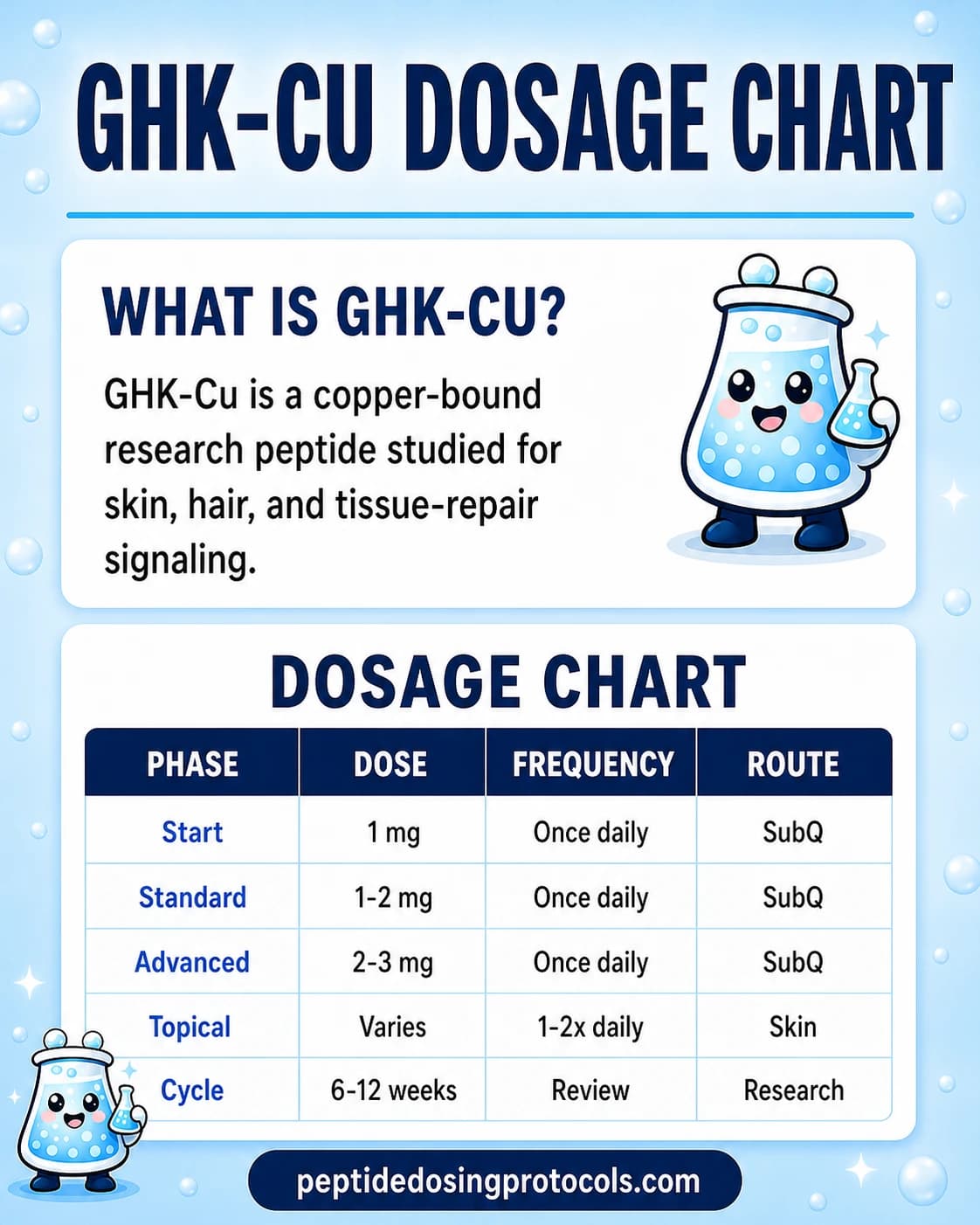
Issues raised in academic and consumer reviews include irritation in cosmetic-formulation use, very wide variation in product quality across the unregulated marketplace, formulation-stability problems, ingredient-interaction concerns, and a thin clinical-trial evidence base relative to the strength of consumer marketing claims
SIRT1 protects against oxidative stress via regulation of FOXO protein acetylation, which is involved in antioxidant processes, apoptosis, and cell proliferation (Wong and Woodcock, 2009)
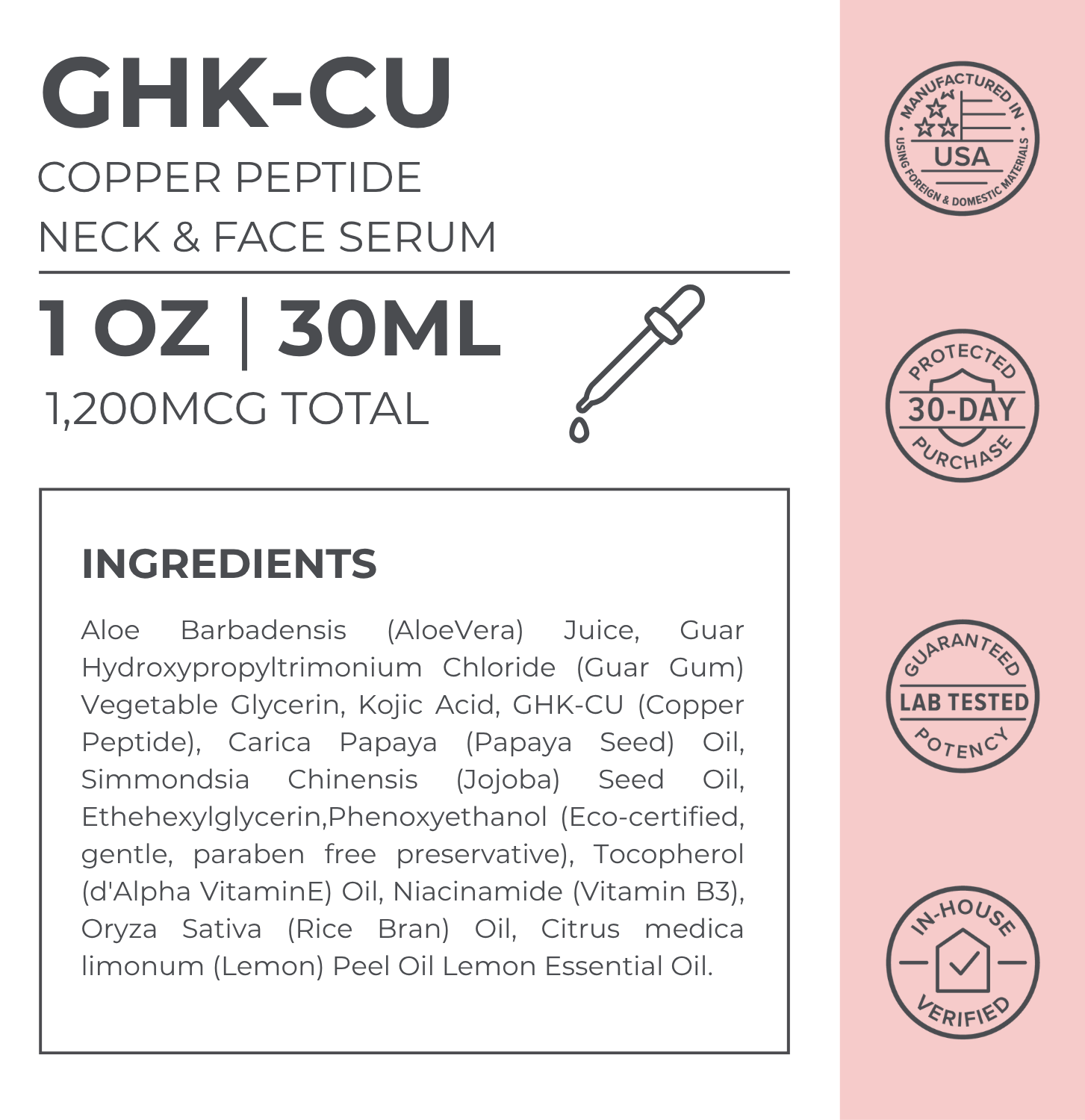
Decision Framework: Which to Choose The choice between BPC-157 and GHK-Cu depends entirely on the research question: Choose BPC-157 if: Research focuses on tissue repair, angiogenesis, or growth factor signaling Studying gastrointestinal, vascular, or musculoskeletal tissue contexts Recovery research is the primary application Research builds on the substantial BPC-157 preclinical research base Choose GHK-Cu if: Research focuses on gene expression modulation Studying skin biology, collagen synthesis, or dermatological research Anti-aging research is the primary application Research benefits from the largest published research base in the catalog Choose both (or combination formulations) if: Research includes both tissue repair and gene expression mechanisms Multi-mechanism combination research is the goal Skin biology research with tissue-repair components benefits from both pathways The GLOW Blend or KLOW Blend formulations match the research question Quality Considerations Both peptides share the same quality framework: Manufactured via Solid-Phase Peptide Synthesis with synthetic amino acids No animal-derived materials Independent third-party testing by Janoshik Analytical 99% HPLC purity per peptide Mass spectrometry identity confirmation Verifiable Janoshik unique keys For complete quality framework coverage, see How to Verify Peptide Quality and How to Read a Janoshik COA

Wang Q, Guo Y, Wang W, Liu B, Yang G, Xu Z
JHUs new climate goals were set after a comprehensive study of university-wide decarbonization scenarios, and an accelerated target of 2040 was determined to ensure the institution serves as a leader in decarbonization within higher education
Advance Your GHK-Based Fibrosis and Remodeling Research with Reliable Peptide Support Research focused on GHK-mediated fibrotic remodeling and myofibroblast regulation requires highly consistent peptide quality and well-documented specifications