Solutions: Use differently tagged protease: His-tagged protein + GST-tagged TEV Then: Ni-NTA (removes uncleaved protein) Glutathione (removes TEV) Use untagged protease: Commercially available Requires additional purification step to separate by size or charge Use immobilized protease: Protease covalently attached to resin Cleavage in batch, then filter Protease stays on resin Use biotinylated protease: Cleave in solution Remove protease with streptavidin beads Choosing the Right Protease TEV Protease Recognition site: ENLYFQS (or G) Advantages: Very high specificity Works at 4C (slowly) or room temperature (faster) Well-characterized Easy to produce in-house Disadvantages: Leaves scar (serine or glycine on target N-terminus) Can cleave non-canonical sites in some proteins Inhibited by zinc, oxidizing conditions Slow at 4C (overnight typical) Best for: General use, temperature-sensitive proteins, high-specificity requirements HRV3C (PreScission) Protease Recognition site: LEVLFQGP Advantages: Highly active at 4C (minutes to hours) Tolerates wider range of buffer additives than TEV Good specificity Disadvantages: Leaves GP scar on target Commercial sources can be expensive Somewhat less specific than TEV Best for: Cold-sensitive proteins, fast processing, high-throughput Thrombin Recognition site: LVPRGS Advantages: Very fast cleavage Works well at room temperature Cheap and widely available Disadvantages: Commercial preparations often contaminated Inhibited by reducing agents Requires calcium Best for: Quick pilot experiments, proteins without secondary thrombin sites Factor Xa Recognition site: IEGR Advantages: Leaves only arginine attached to target Fast cleavage Disadvantages: Non-specific cleavage common Requires calcium Sensitive to buffer conditions Best for: When minimal scar is important, robust proteins SUMO Protease Recognition site: SUMO domain fold (not sequence) Advantages: Recognizes structure, not sequence No scarnative N-terminus SUMO tag enhances expression and solubility Extremely high specificity Disadvantages: Requires SUMO tag (not universal) Commercial enzyme expensive SUMO tag is large (~11 kDa) Best for: When native N-terminus is essential, difficult-to-express proteins The Troubleshooting Decision Tree Cleavage failure
This guide will help you navigate each section of the form with confidence and clarity
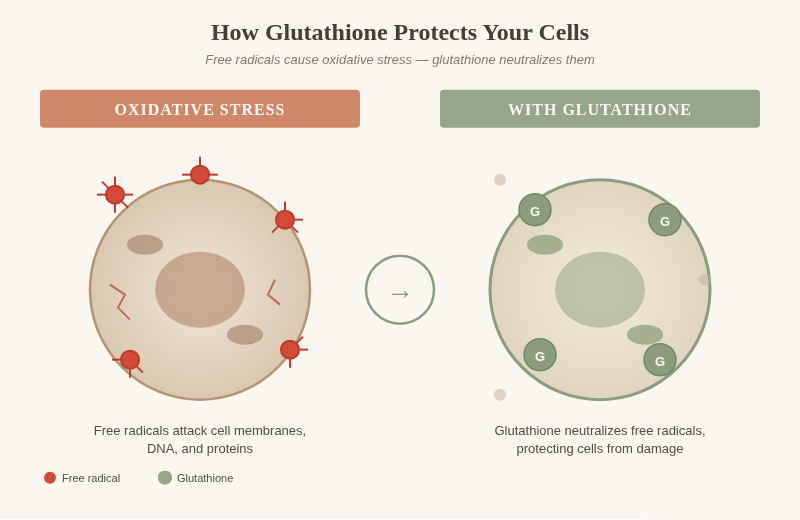
Figure 1 Oligomeric A 40 Induces Free Radical Damage to DNA, Lipids, and Protein Which Could be Attenuated Using GGC To confirm that oligomeric A 40 is cytotoxic to astrocytes via induction of oxidative stress, we monitored the effect of oligomeric A 40 on free radical generation
At Rhema Aesthetics , well help you decide which option best supports your health goals
Our skin doctors will guide you to pick the right type that matches your aims and health background
In first pathway, approximately 50% of Hcy is remethylated to form methionine via two distinct mechanisms: folate/vitamin B12dependent re-methylation and folate/vitamin B12independent remethylation