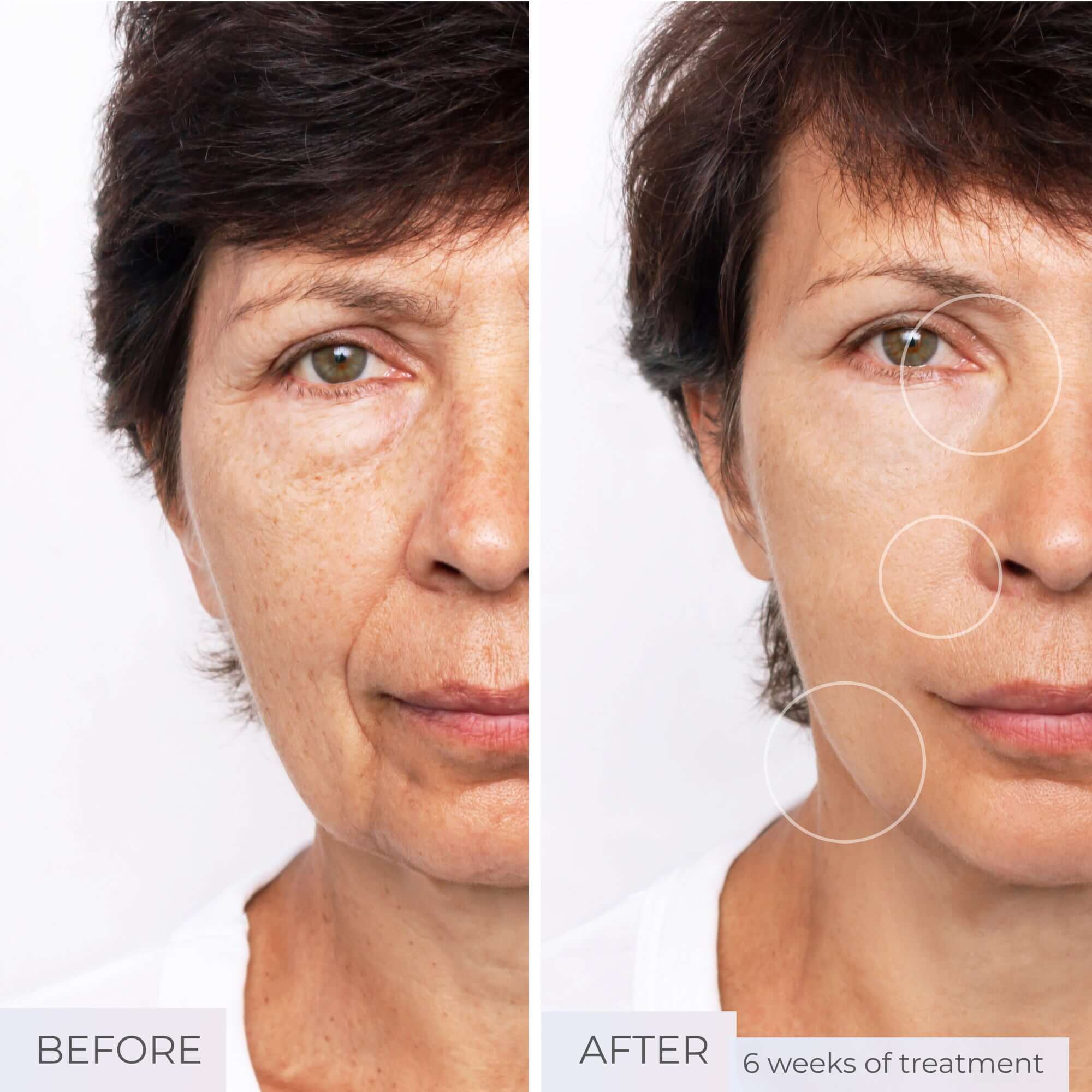
Studies using immunohistological techniques on skin biopsy samples confirmed that GHK-Cu application increases collagen production by up to 70% in treated areas, with simultaneous improvements in skin hydration and elastin synthesis
The notification must be configured to inform the sender that users have been removed as recipients
Combination of ribociclib with BET-Bromodomain and PI3K/mTOR inhibitors for medulloblastoma treatment in vitro and in vivo
Oral tirzepatide is $349/month

Biohacking culture People want to optimize performance and longevity Social media influence Peptides are widely promoted as recovery shortcuts Frustration with slow healing = lack of education by providers on how long tendon/ligament injuries can take to repair Athletes often seek ways to speed recovery beyond natural timelines A Major Concern: Unregulated Products Currently: most peptides are not approved by Health Canada or the FDA manufacturing is largely unregulated quality control is inconsistent This makes it difficult to verify: product purity dosing accuracy contamination risk Current Medical Consensus Peptides show biological promise in preclinical research but lack sufficient human evidence for routine clinical use Important unknowns include: dosing frequency duration long-term safety How Group23 Approaches Regenerative Medicine At Group23 Sports Medicine, we focus on treatments supported by the strongest evidence: structured rehabilitation programs under physiotherapy supervision load management and strength training ideally with strength and conditioning coach platelet-rich plasma (PRP) soft tissue adapted biocompatible hyaluronic acid injections SportVis see www.sportvis.ca high molecular weight cross linked hyaluronic acid injections Monovisc (see www.monovisc.ca), Synolis VA (see www.synolis.com) and Durolane (www.durolane.ca/en/) Blood Flow Restriction (BFR) therapy (see off the shelf and custom bracing strategies These treatments currently have far stronger clinical evidence than experimental peptide therapies

(1) M Heffernan, R J Summers, A Thorburn, E Ogru, et al (2001) The effects of human GH and its lipolytic fragment (AOD9604) on lipid metabolism following chronic treatment in obese mice and beta(3)-AR knock-out mice Endocrinology, 2001 Dec, Volume 142 (Issue 12), Pages 5182-9