Intratumoral injection of a CpG oligonucleotide reverts resistance to PD-1 blockade by expanding multifunctional CD8+ T cells
Doddy FD, Glickman LT, Glickman NW, Janovitz EB (1996): Feline fibrosarcomas at vaccination sites and non-vaccination sites
injections at every 2 nd day) was expected to be less efficient than a daily-injection protocol (Fig

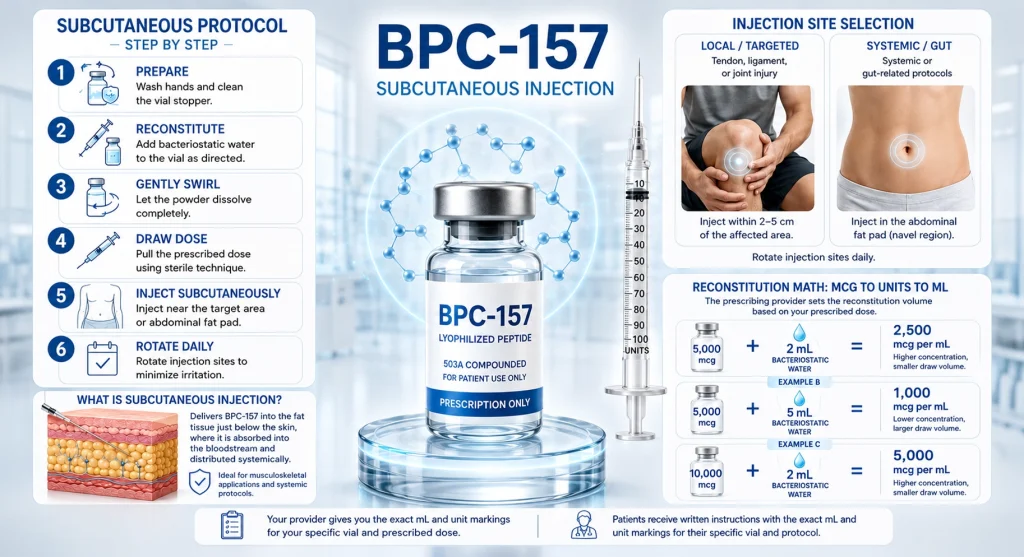
Sterile Water Use Bacterostatic Water when: Multiple withdrawals from the same vial are planned Storage period between uses will exceed a few hours Working with peptides compatible with benzyl alcohol Conducting research requiring preserved multi-use preparations Use Sterile Water (preservative-free) when: Single-use application only Working with neonatal research models (benzyl alcohol contraindicated) Reconstituting compounds sensitive to benzyl alcohol Administering solutions intravenously (bacteriostatic agents contraindicated for IV use) Storage & Handling Storage Conditions Unopened vials: Store at controlled room temperature (20-25C / 68-77F) Opened vials: Refrigerate at 2-8C (36-46F) after first use Protect from: Freezing, excessive heat, direct light Shelf life (unopened): Refer to manufacturer expiration date (typically 2-3 years) Shelf life (opened): 28 days when refrigerated and handled with proper aseptic technique Proper Handling Protocol To maintain sterility and preservative efficacy: Always use aseptic technique Swab rubber stopper with 70% isopropyl alcohol before each entry Use sterile needles and syringes Never reuse needles or syringes Avoid contamination Do not touch needle tip or allow it to contact non-sterile surfaces Minimize air exposure Withdraw contents efficiently
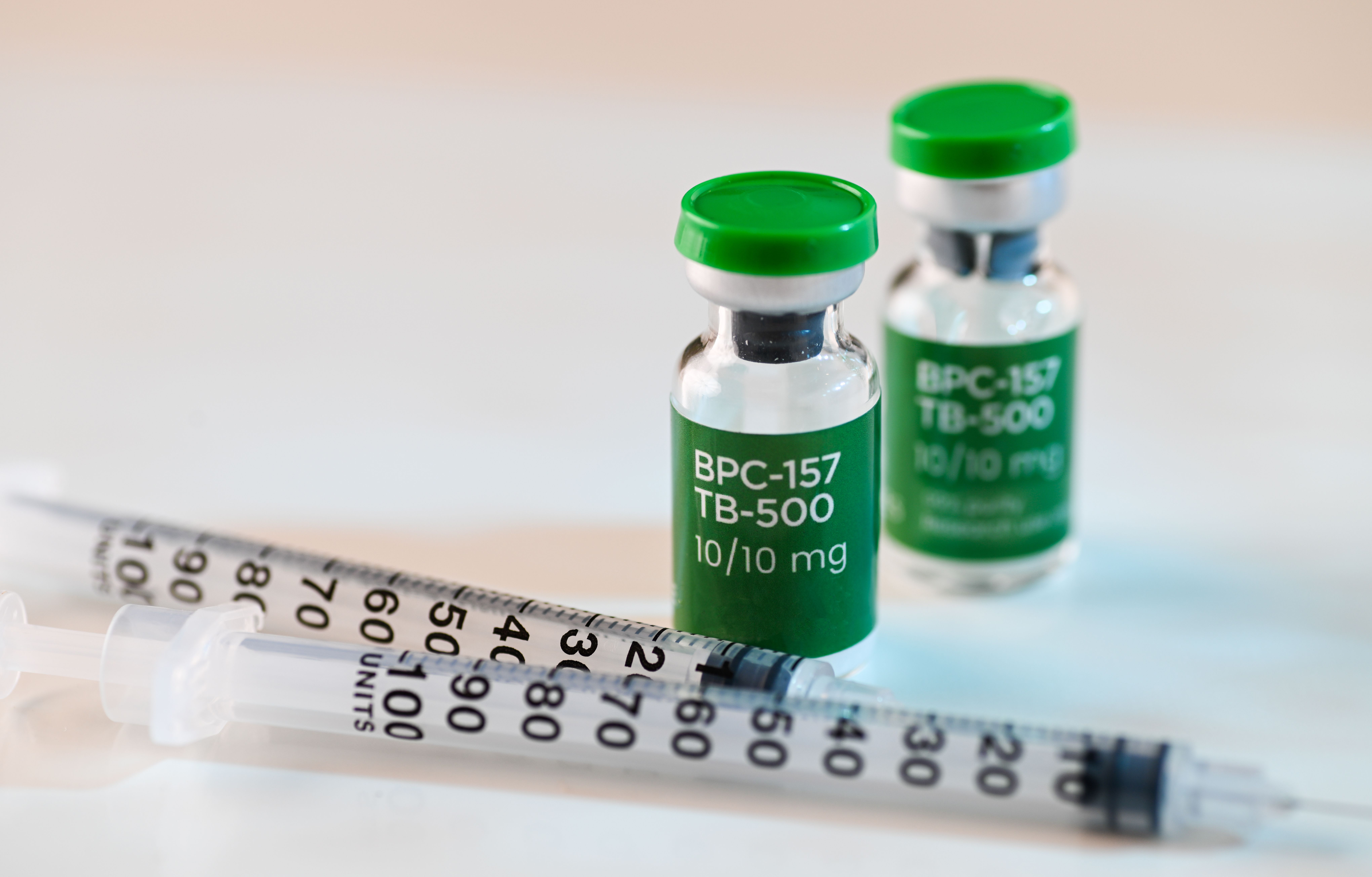
The increase in NO in tandem with nerve growth factor, VEGF, collagen reorganization, and repair to nerve function is what makes BPC 157 so effective as a part of a healing protocol
Dedrick Sims , CEO, Sims Fayola Foundation